The Hidden Cost of 'I'll Just Return It'
Free returns aren't really free. Here's what happens to the dress you sent back — and why fewer, better-fitting orders are quietly the more generous choice.
We've been trained to believe that a return is the easy part of online shopping. Print a label, drop it at the corner shop, refund lands a week later. The cost feels invisible. To you, it almost is.
But every returned garment moves through a long chain that ends, in many cases, somewhere uncomfortable. Around a third of returned clothes never make it back onto a virtual shelf in any reasonable condition. Some are damaged in transit. Some sit in warehouses long enough to fall out of season. Some are technically fine but not worth the cost of inspecting, repacking and storing — so they're sold off in bulk, sent to discount markets, or, distressingly often, simply discarded.
The carbon footprint is also bigger than people expect. Returns generate millions of tonnes of CO2 a year globally, mostly from the back-and-forth shipping. A single returned jumper might travel the equivalent of a short-haul flight before it ends up either on someone else's shoulders or in landfill.
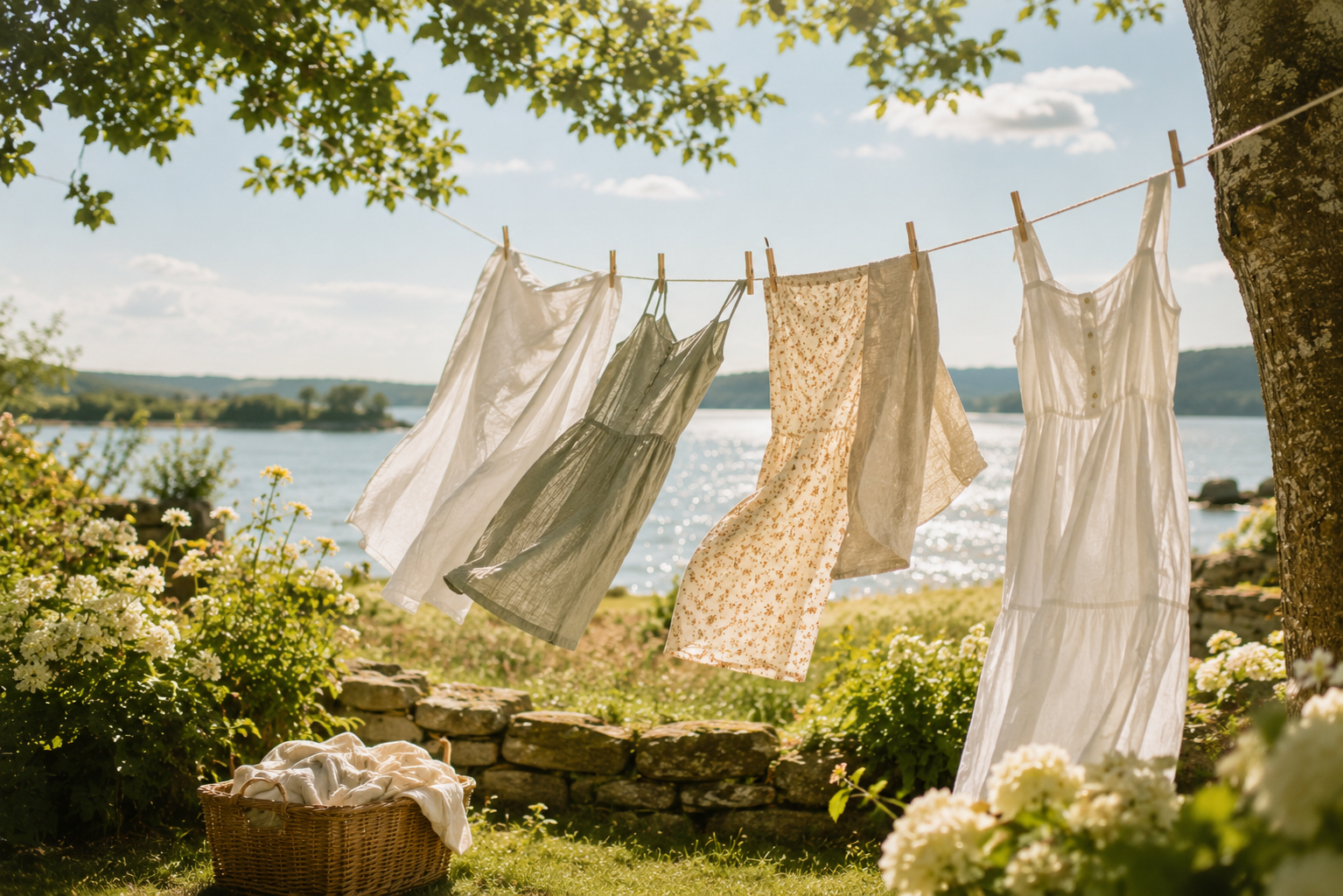
None of this is meant to make you feel guilty for sending back a dress that didn't fit. The system isn't your fault. You didn't choose to be lied to by a size chart. You didn't ask for clothes you couldn't see in person before buying.
But it does change the shape of the problem. The real environmental win isn't recycling. It isn't second-hand. It's the order that never had to come back in the first place — because the right size went into the basket the first time.
That's the part Idntfy quietly solves. Better measurements up front mean fewer returns by design, not by guilt. Less waste, less packaging, less time, fewer disappointed deliveries.
It's a small change that adds up to something quite large. The most sustainable wardrobe isn't the one you carefully curate. It's the one you stop having to send back.