Body Shape vs. Body Size
A 'size 12' doesn't tell you how a garment will sit on your shoulders, your hips, or your back. Here's why shape matters more than size — and what to look for instead.
If you've ever stood in a fitting room with a friend, both wearing the same dress in the same size, and watched it fall on you completely differently, you already understand the limit of sizing.
Two women can share a bust measurement to the millimetre and still wear that dress in totally different ways. One because her shoulders are narrower. One because her torso is longer. One because she carries more weight on her hips. One because the dress was cut on a fit model whose proportions look nothing like either of them.
This is where body shape comes in — and where it's been quietly ignored by most of the fashion industry. Size guides talk about bust, waist and hip in isolation, as if they were independent variables. But what makes a garment look right on you is the relationship between them: your shoulder-to-hip ratio, the length of your torso, where your natural waist actually sits, how your posture holds the fabric.
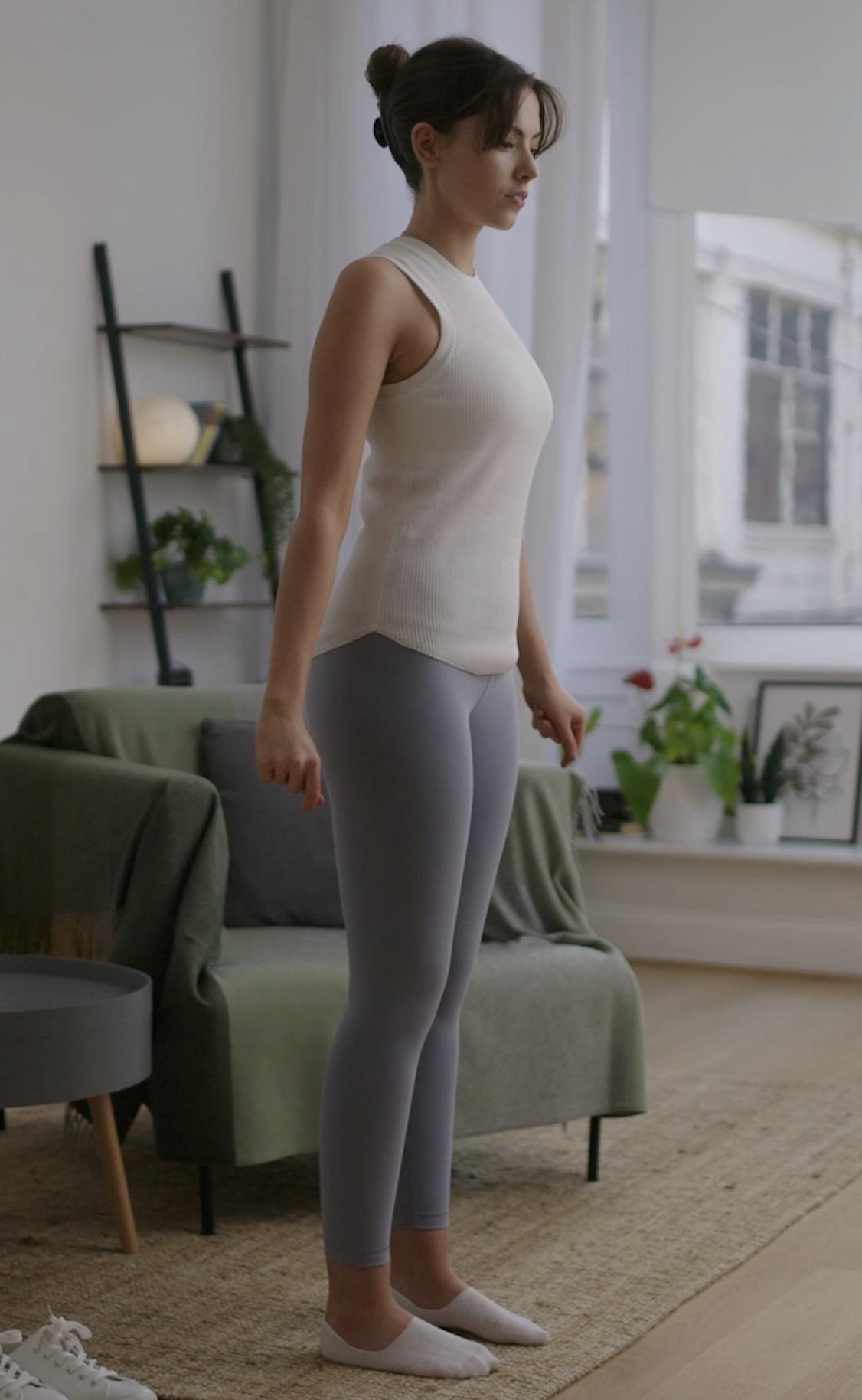
Knowing your shape gives you something a size chart never can — predictive power. It explains why high-waisted trousers always sit oddly on you (your rise is shorter than the brand assumed) or why button-downs gape across the chest (your bust and shoulders aren't in the proportion the pattern expects).
You don't need a degree in tailoring to use this information. You just need to know it about yourself.
This is what Idntfy means by a body profile: not a number, but a full picture of how you're built. A scan captures the proportions, not just the measurements, and translates them into recommendations that actually account for how you'll wear a garment rather than just whether it will fit.
Two women can have the same size. They almost never have the same body. The clothes that flatter you the most know the difference.